Address
304 North Cardinal St.
Dorchester Center, MA 02124
Work Hours
Monday to Friday: 7AM - 7PM
Weekend: 10AM - 5PM
Address
304 North Cardinal St.
Dorchester Center, MA 02124
Work Hours
Monday to Friday: 7AM - 7PM
Weekend: 10AM - 5PM

Resistance welding is a method in which the workpieces to be welded are tightly pressed between two electrodes and an electric current is passed through. It utilizes the resistance heat generated when the current flows through the contact surface of the workpieces and the adjacent areas, heating the contact surface of the workpieces to a molten or plastic state to form a metallic bond. Simply put, it is a welding process where metals are fused together by the resistance heat generated through the passage of electric current, as shown in the following diagram:
Resistance Welding Mode Diagram
Therefore, it is widely used in various industrial sectors such as aerospace, energy, electronics, automotive, and light industry, and is one of the important welding processes.
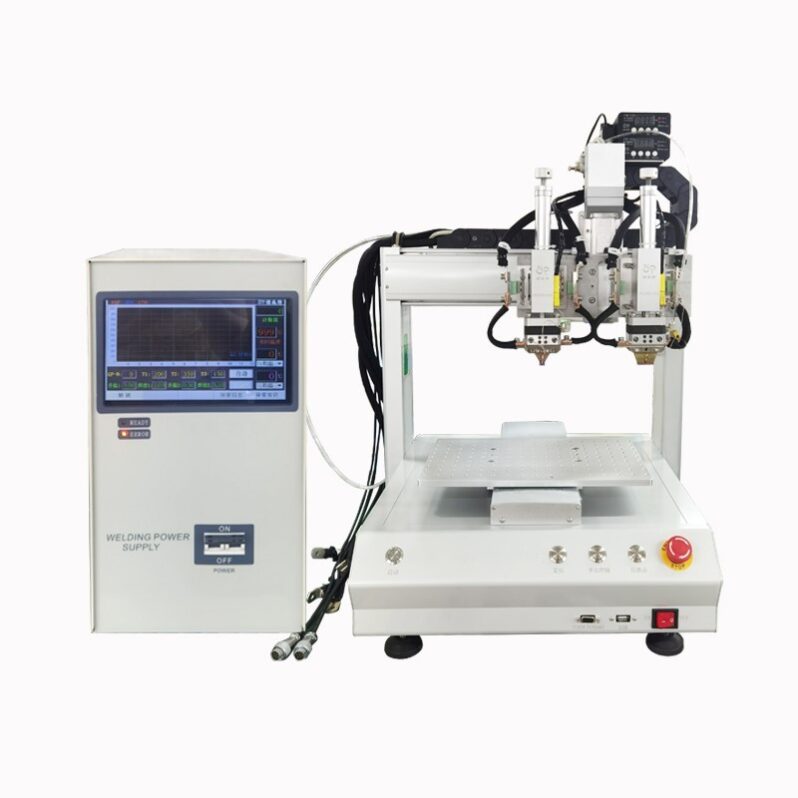
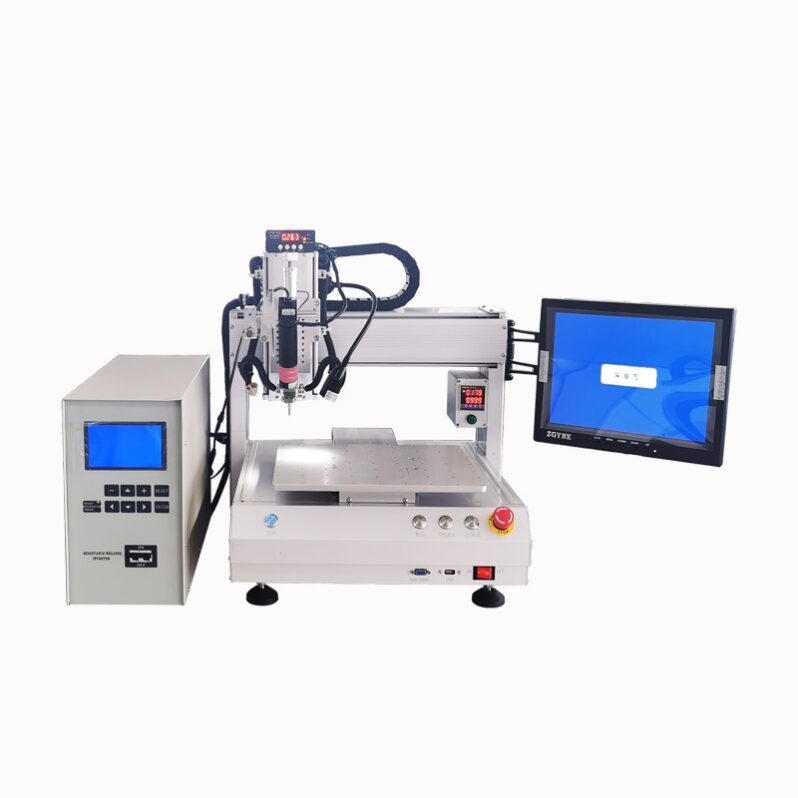
Our company uses two types of wire harness welding power supplies: high-frequency inverter inverter welding power supplies and medium-frequency inverter welding power supplies.
Features of high-frequency inverter DC welding power supplies: